What Happens to Expired EV Batteries?
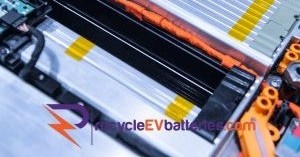
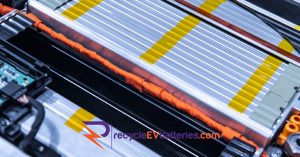
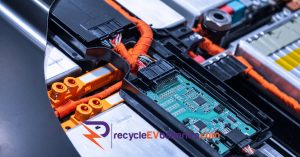
Waste can represent a valuable resource when considering recycling. The process of collecting and processing materials that would otherwise be threw away as trash refers to recycling. Thus, allowing for waste to turn into new products. Recycling EV batteries is crucial. EV batteries are a lithium based rechargeable battery that contain nickel, cobalt and copper. They are the main power source of:
- Electric vehicles
- Solar power storage
- Emergency power backups (UPS)
- Power tools
These batteries from all these common devices are sent to be recycling every day because they wear out and must have replacements. This is normally because of aging, overuse and overcharging.
More than 1 million electric vehicles were sold worldwide in 2017. There is an estimate that those cars alone will ultimately result in 250,000 tons of discarded battery packs, according to a new paper published in the . It is important to note that after many years of useful life in a car or other device, the battery can be recycled.
Recycling EV batteries positively impacts the environment by reusing materials and reducing pollution. The reusable materials that EV batteries contain include:
- Nickel
- Cobalt
- Copper
These materials can be in reuse to make various items including more EV batteries. As a result, recycling EV batteries decreases landfill population which contributes to a decline in pollution.
To get the significant reusable materials EV batteries contain, there are numerous steps to follow:
- First, recycling companies buy or sell scrap EV batteries. By doing this, these recycling companies get cobalt, nickel and copper.
- Then, deactivate the batteries. This must occur before the procedure starts.
- After this, the EV batteries are put in a specialized room. Along these lines, the room is oxygen-free.
- Subsequently, the process of extracting metals from their ores ( hydrometallurgy ) occurs.
- Next, the process of utilizing aqueous solutions to extract metal from other metal bearing materials (leaching) happens.
- Furthermore, organize the battery components into three unique classifications. These classifications are cobalt, steel and aluminum, copper, and plastic.
- Finally, companies sell the recycled materials.
EV battery disposal needs proper discarding to avoid negatively impacting the environment. This is where EV battery recycling companies come in to help. Additionally, there has been a push by people, governments, and organizations for a greener world. A way to take a step in the right direction is to recycle EV batteries.