RecycleEVBatteries.com


We recycle electric vehicle batteries, modules, and cells across North America.

CLICK HERE TO GET A QUOTE
United StatesCanadaMexicoAfghanistanÅland IslandsAlbaniaAlgeriaAmerican SamoaAndorraAngolaAnguillaAntarcticaAntigua and BarbudaArgentinaArmeniaArubaAustraliaAustriaAzerbaijanBahamasBahrainBangladeshBarbadosBelarusBelgiumBelizeBeninBermudaBhutanBoliviaBosnia and HerzegovinaBotswanaBouvet IslandBrazilBritish Indian Ocean TerritoryBrunei DarussalamBulgariaBurkina FasoBurundiCambodiaCameroonCape VerdeCayman IslandsCentral African RepublicChadChileChinaChristmas IslandCocos (Keeling) IslandsColombiaComorosCongoCongo, The Democratic Republic of TheCook IslandsCosta RicaCote D'ivoireCroatiaCubaCyprusCzech RepublicDenmarkDjiboutiDominicaDominican RepublicEcuadorEgyptEl SalvadorEquatorial GuineaEritreaEstoniaEthiopiaFalkland Islands (Malvinas)Faroe IslandsFijiFinlandFranceFrench GuianaFrench PolynesiaFrench Southern TerritoriesGabonGambiaGeorgiaGermanyGhanaGibraltarGreeceGreenlandGrenadaGuadeloupeGuamGuatemalaGuernseyGuineaGuinea-bissauGuyanaHaitiHeard Island and Mcdonald IslandsHoly See (Vatican City State)HondurasHong KongHungaryIcelandIndiaIndonesiaIran, Islamic Republic ofIraqIrelandIsle of ManIsraelItalyJamaicaJapanJerseyJordanKazakhstanKenyaKiribatiKorea, Democratic People's Republic ofKorea, Republic ofKuwaitKyrgyzstanLao People's Democratic RepublicLatviaLebanonLesothoLiberiaLibyan Arab JamahiriyaLiechtensteinLithuaniaLuxembourgMacaoMacedonia, The Former Yugoslav Republic ofMadagascarMalawiMalaysiaMaldivesMaliMaltaMarshall IslandsMartiniqueMauritaniaMauritiusMayotteMicronesia, Federated States ofMoldova, Republic ofMonacoMongoliaMontenegroMontserratMoroccoMozambiqueMyanmarNamibiaNauruNepalNetherlandsNetherlands AntillesNew CaledoniaNew ZealandNicaraguaNigerNigeriaNiueNorfolk IslandNorthern Mariana IslandsNorwayOmanPakistanPalauPalestinian Territory, OccupiedPanamaPapua New GuineaParaguayPeruPhilippinesPitcairnPolandPortugalPuerto RicoQatarReunionRomaniaRussian FederationRwandaSaint HelenaSaint Kitts and NevisSaint LuciaSaint Pierre and MiquelonSaint Vincent and The GrenadinesSamoaSan MarinoSao Tome and PrincipeSaudi ArabiaSenegalSerbiaSeychellesSierra LeoneSingaporeSlovakiaSloveniaSolomon IslandsSomaliaSouth AfricaSouth Georgia and The South Sandwich IslandsSpainSri LankaSudanSurinameSvalbard and Jan MayenSwazilandSwedenSwitzerlandSyrian Arab RepublicTaiwanTajikistanTanzania, United Republic ofThailandTimor-lesteTogoTokelauTongaTrinidad and TobagoTunisiaTurkeyTurkmenistanTurks and Caicos IslandsTuvaluUgandaUkraineUnited Arab EmiratesUnited KingdomUnited States Minor Outlying IslandsUruguayUzbekistanVanuatuVenezuelaViet NamVirgin Islands, BritishVirgin Islands, U.S.Wallis and FutunaWestern SaharaYemenZambiaZimbabwe
Submit
Failed to submit form - CAPTCHA failed Failed to send email. Please check that your email is correct. Successfully submitted form

WE BUY SCRAP ELECTRONIC VEHICLE BATTERIES

Services

What Happens to Expired EV Batteries? Service
What Happens to Expired EV Batteries?

Waste can represent a valuable resource when considering recycling. The process of collecting and processing materials that would otherwise be threw away as trash refers to recycling. Thus, allowing for waste to turn into new products. Recycling EV batteries is crucial. EV batteries are a lithium based rechargeable battery that contain nickel, cobalt and copper. They are the main power source of:

  • Electric vehicles
  • Solar power storage
  • Emergency power backups (UPS)
  • Power tools

These batteries from all these common devices are sent to be recycling every day because they wear out and must have replacements. This is normally because of aging, overuse and overcharging.

More than 1 million electric vehicles were sold worldwide in 2017. There is an estimate that those cars alone will ultimately result in 250,000 tons of discarded battery packs, according to a new paper published in the . It is important to note that after many years of useful life in a car or other device, the battery can be recycled.

Recycling EV batteries positively impacts the environment by reusing materials and reducing pollution. The reusable materials that EV batteries contain include:

These materials can be in reuse to make various items including more EV batteries. As a result, recycling EV batteries decreases landfill population which contributes to a decline in pollution.

To get the significant reusable materials EV batteries contain, there are numerous steps to follow:

  • First, recycling companies buy or sell scrap EV batteries. By doing this, these recycling companies get cobalt, nickel and copper.
  • Then, deactivate the batteries. This must occur before the procedure starts.
  • After this, the EV batteries are put in a specialized room. Along these lines, the room is oxygen-free.
  • Subsequently, the process of extracting metals from their ores ( hydrometallurgy ) occurs.
  • Next, the process of utilizing aqueous solutions to extract metal from other metal bearing materials (leaching) happens.
  • Furthermore, organize the battery components into three unique classifications. These classifications are cobalt, steel and aluminum, copper, and plastic.
  • Finally, companies sell the recycled materials.

EV battery disposal needs proper discarding to avoid negatively impacting the environment. This is where EV battery recycling companies come in to help. Additionally, there has been a push by people, governments, and organizations for a greener world. A way to take a step in the right direction is to recycle EV batteries.
What You Should Know Before Throwing Out Expired EV Batteries Service
What You Should Know Before Throwing Out Expired EV Batteries

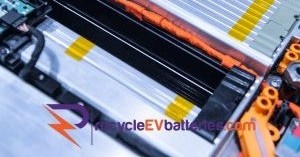
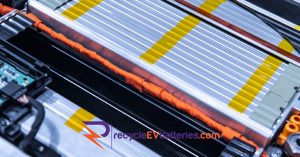
An electric-vehicle battery (EV battery) is a battery used to power the electric motors of a battery electric vehicle or hybrid electric. Recycling EV batteries becomes crucial when there is an overflow in waste. These batteries are typically rechargeable batteries and are on average lithium-ion batteries.

EV batteries contain nickel, cobalt, and copper. They are the main power source of:

With time, batteries like this eventually deteriorate and need replacing. This may occur due to aging, overuse, and overcharging. As a result, the scrap EV batteries needs proper disposal. EV battery recycling companies like us offer simple and efficient recycling services.

Lithium-ion batteries – which are the most common battery types used in electric vehicles – form from certain elements including carbon or graphite, a metal oxide and lithium salt.

Electrifying transportation is one of the biggest keys to solving the climate crisis. As electric vehicles become more popular, they are posing another issue: what to do with their batteries when they’re off the street. As a result, EV batteries are starting to pile up.

More than 1 million electric vehicles were sold worldwide in 2017. There is an estimate that those cars alone will ultimately result in 250,000 tons of discarded battery packs, according to a new paper published in the . If those were to end up in landfills, rather than with recycling companies, results could be detrimental.

EV battery recycling reuses valuable materials

EV batteries contain valuable and reusable materials which are:

These materials are uncommon and can be reusable for various things including new EV batteries. Extracting these valuable materials reduces the need for further mining.

The Significance of EV Battery Recycling Service
The Significance of EV Battery Recycling

Like any source of power, EV batteries wear out and must be replaced. The current predictions is that an electric car battery will last from 10 – 20 years before they need to be replaced.

Battery electric vehicles use electricity stored in a battery pack to power an electric motor and turn the wheels. When drained, the batteries recharge using grid electricity, either from a wall socket or a dedicated charging unit. Other than electric vehicles, these batteries power:

  • Solar power storage
  • Emergency power backups (UPS)
  • Power tools

People who seek efficiency and a solution to the current climate crisis have embraced the electrification of transportation. In fact, the global sales of electric vehicles exceeded 1 million units in 2017. When these batteries reach the end of their life, consumers must actively consider recycling.

Properly disposing of EV batteries is essential to prevent any adverse environmental impact. EV battery recycling companies play a pivotal role in this regard, offering assistance and expertise. Understanding the EV battery recycling process is of utmost importance.

To get the precious reusable materials EV batteries include, there are several steps to follow:

  • First, recycling companies purchase or sell scrap EV batteries. By doing this, these recycling companies get cobalt, nickel and copper.
  • Then, deactivate the batteries. This must occur before the procedure starts.
  • After this, the EV batteries are put in a specialized room. Thus, the room is oxygen-free.
  • Subsequently, the process of extracting metals from their ores ( hydrometallurgy ) occurs.
  • Next, the process of using aqueous solutions to extract metal from other metal bearing materials (leaching) occurs.
  • Furthermore, organize the battery components into three different categories. These categories are cobalt, steel and aluminum, copper, and plastic.
  • Finally, companies sell the recycled materials.

About Us

We are dedicated to the reuse and recycling of used electric vehicle batteries. Recycling used EV batteries is very important because of the nature of their composition and uses. People use batteries as backup power supplies and to power things like automobiles, electric scooters, electric wheelchairs, and much more.

LEARN MORE ABOUT US
About
What We Do

What We Do

Recycling used EV batteries must be done very carefully, in a controlled environment far away from heavily populated residential areas. Because of the high levels of acidity in these batteries, it is highly advisable that you sell your used EV batteries to us to be properly handled.

Recycling EV batteries helps protects the environment by reusing their valuable materials and diminishing pollution. Also, there is potential for a profit to be made by selling scrap EV batteries to recycling companies.

Client Testimonials