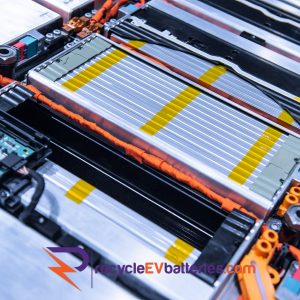
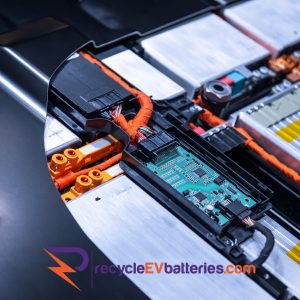
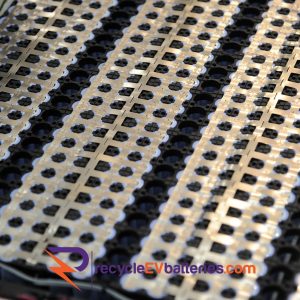
Like any source of power, EV batteries wear out and must be replaced. The current predictions is that an electric car battery will last from 10 – 20 years before they need to be replaced.
Battery electric vehicles use electricity stored in a battery pack to power an electric motor and turn the wheels. When drained, the batteries recharge using grid electricity, either from a wall socket or a dedicated charging unit. Other than electric vehicles, these batteries power:
- Solar power storage
- Emergency power backups (UPS)
- Power tools
People who seek efficiency and a solution to the current climate crisis have embraced the electrification of transportation. In fact, the global sales of electric vehicles exceeded 1 million units in 2017. When these batteries reach the end of their life, consumers must actively consider recycling.
Properly disposing of EV batteries is essential to prevent any adverse environmental impact. EV battery recycling companies play a pivotal role in this regard, offering assistance and expertise. Understanding the EV battery recycling process is of utmost importance.
To get the precious reusable materials EV batteries include, there are several steps to follow:
- First, recycling companies purchase or sell scrap EV batteries. By doing this, these recycling companies get cobalt, nickel and copper.
- Then, deactivate the batteries. This must occur before the procedure starts.
- After this, the EV batteries are put in a specialized room. Thus, the room is oxygen-free.
- Subsequently, the process of extracting metals from their ores ( hydrometallurgy ) occurs.
- Next, the process of using aqueous solutions to extract metal from other metal bearing materials (leaching) occurs.
- Furthermore, organize the battery components into three different categories. These categories are cobalt, steel and aluminum, copper, and plastic.
- Finally, companies sell the recycled materials.